Advanced Ear Reconstruction From the Inventor of MEDPOR
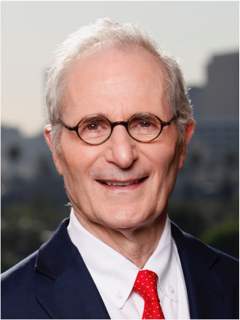
Dr. John Reinisch developed the MEDPOR® ear reconstruction technique in 1991. It has since become the accepted standard for surgical microtia treatment and is now taught in modern microtia programs around the world. When you choose Dr. Reinisch, you are working with the surgeon who developed the procedure.
Few surgeons in the world have this depth of focused experience. Dr. Reinisch has treated more than 4,000 children with microtia over four decades of practice, giving families confidence that their child's care is guided by deep specialization rather than occasional exposure to this rare condition.
Microtia often occurs alongside aural atresia and hearing loss. Dr. Reinisch coordinates with an experienced otologist so ear canal reconstruction can happen alongside outer ear reconstruction in a single outpatient procedure when anatomy allows, restoring both form and hearing.
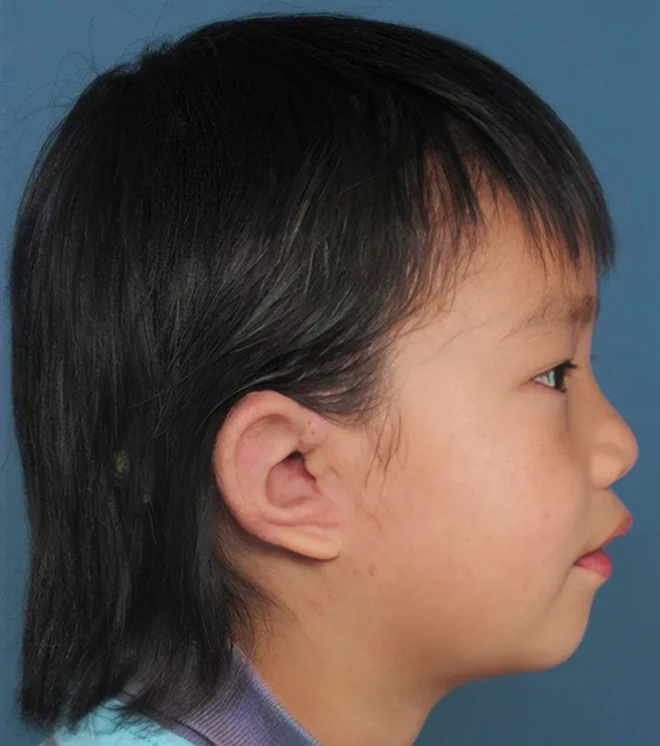
Roughly one U.S. birth in every 8,000 to 10,000 involves microtia. The condition can leave the outer ear underdeveloped or absent, sometimes together with a narrowed or missing ear canal, and the canal imperfection is what puts hearing, speech, and language development at risk. Rates run higher in several regions outside the U.S., so families from across the country and around the world regularly find their way to our Beverly Hills practice.
Surgery aims to solve two problems at once whenever it can: the shape of the outer ear and, when the anatomy allows, the underlying canal. Our microtia surgeon in Beverly Hills, CA, covers the reconstructed framework in the child's own tissue for a natural look and feel, and he pairs the outer-ear work with an experienced otologist so canal reconstruction and hearing restoration can move on the same surgical timeline.
The right approach for a given child is based on their age, anatomy, hearing status, and family preferences. Dr. Reinisch walks through those variables at the consultation and lays out the tradeoffs before any plan is set.
The MEDPOR® technique was Dr. Reinisch's 1991 answer to a set of frustrations resulting from rib cartilage reconstruction: the chest surgery, the multi-stage timeline, and the wait for the ribs to grow large enough to harvest. His approach swaps harvested cartilage for a biocompatible porous polyethylene framework, shaped to mirror the healthy ear before it is placed on the child's head.
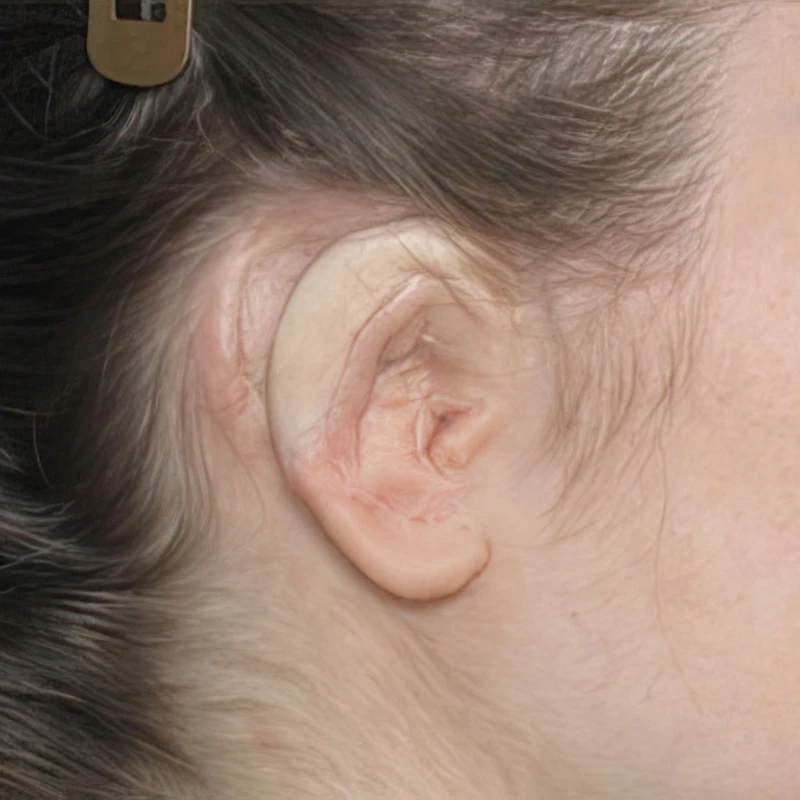
Once the framework is in place, Dr. Reinisch drapes the child's own tissue across it. Blood vessels and skin knit into the structure over the following weeks, and the finished ear typically shows minimal scarring after what is usually a single surgery.
MEDPOR® reconstruction has become the accepted standard for surgical microtia treatment for several reasons:
For many families, MEDPOR® provides a streamlined path to restoring ear form early enough to support speech and language development during the critical years of childhood growth.
MEDPOR® is a strong option for most children with microtia who are at least three years old and in good general health. Because the framework is a synthetic implant rather than the child's own tissue, care is taken during recovery to protect the surgical site while blood vessels integrate. Dr. Reinisch reviews each candidate individually and explains what to expect at every step.
Ear reconstruction using rib cartilage has been an option for microtia patients for over four decades and dates back to the first successful microtia surgery. In experienced hands, the technique delivers long-lasting results built entirely from the child's own tissue.
Dr. Reinisch reserves this approach for older patients, generally ages ten to sixteen. The procedure begins with a chest incision so cartilage can be taken from several ribs, and that cartilage is then hand-shaped and sutured into a framework matched to the healthy ear. When the framework is ready, it goes into a skin pocket created behind the ear.
Rib cartilage reconstruction is an established surgery, but families choosing between MEDPOR® and rib cartilage should understand the tradeoffs:
Because of these factors, many families prefer earlier reconstruction with MEDPOR® when their child is a candidate.
The most common question at consultation is which technique makes sense for a specific child. The answer largely depends on the child's age, anatomy, and hearing needs.
MEDPOR® is often preferred when a family wants a single surgery, wants to begin reconstruction earlier in the child's life, or wants canal reconstruction and outer ear reconstruction coordinated. Rib cartilage reconstruction is often preferred when a family prefers the child's own tissue for the entire framework and is comfortable with a longer, multi-stage timeline.
Dr. Reinisch does not push families toward one approach. He walks through the specific tradeoffs for your child's case and supports whichever surgical plan aligns with your family's priorities.
Aural atresia often accompanies microtia. When the ear canal is narrow or absent, hearing is affected directly, which is why microtia surgery planning at our office maps out both concerns together from the start.
Dr. Reinisch and an experienced otologist share the operating room so canal reconstruction and outer-ear reconstruction can be finished in a single outpatient procedure whenever the child's anatomy makes that safe. Working the two together offers several benefits:
If the anatomy is not favorable for canal reconstruction, Dr. Reinisch and the otologist may recommend alternative hearing solutions, such as bone-anchored hearing devices, that support language development without canal surgery.
The right microtia surgical team looks like a group of specialists, not a solo surgeon. Dr. Reinisch operates alongside a pediatric anesthesiologist trained specifically in pediatric airway management and an experienced otologist. Every choice in the operating room is built around your child's safety and the specific complexity of their case.
You will review the treatment plan well before the surgery day. At the consultation, Dr. Reinisch walks families through what the procedure involves, who staffs the operating room, how pediatric anesthesia is handled, and how the recovery weeks will be supported at home. Follow-ups after surgery confirm the surgical site is healing on schedule and, when canal reconstruction is part of the plan, that hearing outcomes are on track.
The recovery arc runs from strict protection during the first day to full return to routines
around week one and permanent shape by the three-month mark. Dr. Reinisch prescribes
medications for comfort and infection prevention, and our Beverly Hills office keeps a
steady line of contact with families across each phase.
Distance should never stop families from choosing Dr. Reinisch. Our Beverly Hills team coordinates lodging and travel logistics for out-of-town patients, works through language differences with multilingual staff, and points many families to the Ronald McDonald House, a longstanding partner of the practice.
Timing depends on where the family is coming from. Patients from other U.S. states can generally fly home two days after surgery and return to Beverly Hills roughly two weeks later for follow-up. International families typically plan a three-to-four-week stay so consultation, surgery, and follow-up fit into a single trip.
The starting age depends on which technique the child is a candidate for. MEDPOR® can begin as young as three years old, and that early start is one of the reasons families often choose it when speech and language development is a priority. Rib cartilage reconstruction has to wait until the ribs are large enough to harvest, which usually means ages ten to sixteen.
Bilateral microtia means at least two operations. Each ear is reconstructed separately, with several months between surgeries so the first side heals before the second begins. When aural atresia affects both sides too, canal reconstruction, whether canalplasty or a bone-anchored implant, often happens during the same operation as the microtia surgery on that side.
No. The MEDPOR® framework is made from a biocompatible porous polyethylene rather than the child's own cartilage. This means it does not involve chest surgery, hospitalization, and the permanent chest scar that come with the rib cartilage approach.
Insurance coverage is plan-specific, but a lot of plans do cover microtia surgery because the condition affects hearing and speech development, which most policies treat as medically necessary. Our team walks through your policy details before you come in so nothing is a surprise.
The short answer is that Dr. Reinisch invented the MEDPOR® technique in 1991, which is now the accepted global standard. Over four decades of practice, he has performed the surgery for more than 4,000 children with microtia, and he authored Modern Microtia Reconstruction, the surgical textbook that microtia surgeons worldwide reference for their own work.
Patients come from across the country and around the world to benefit from his expert care. To schedule your consultation, contact our office online or call us at (833) 896-3277.